
-->
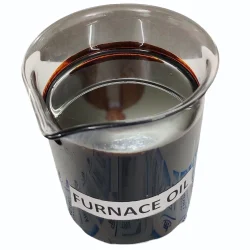
Industrial furnace oil is a heavy, viscous liquid fuel that is a byproduct of the crude oil refining process. It is primarily used as a cost-effective source of energy for large-scale industrial heating and power generation.
Key Characteristics:
Composition: It is a residual fuel, meaning it is a blend of the heavier components left over after lighter fuels like gasoline and diesel have been distilled from crude oil.
Viscosity: Its high viscosity is a defining feature. This makes it a thick, sticky liquid that must be pre-heated before use to allow it to flow properly and be atomized for efficient combustion in burners.
Calorific Value: It has a high energy content, or calorific value, making it a powerful and efficient fuel for high-temperature applications.
Applications: Industrial furnace oil is a staple in various heavy industries. Its main uses include:
Industrial Boilers and Furnaces: To generate steam and heat in industries like steel, cement, textiles, and glass.
Power Generation: As a fuel for thermal power plants and large stationary diesel generators.
Marine Vessels: A type of furnace oil is used as "bunker fuel" for powering large ships.